


What is a therapeutic relationship? A Guide to Trust, Healing, and Growth
Authored by: Therapy-with-Ben
So, what exactly is a therapeutic relationship?
At its heart, it’s the safe, trusting, and collaborative connection you build with your counsellor. It’s a unique partnership where you feel seen, heard, and accepted without judgement, and honestly, it's probably the single most important part of successful therapy. This bond creates the foundation you need to start exploring difficult thoughts and feelings.
Understanding the Therapeutic Relationship

When people first think about therapy, they often jump straight to the techniques and theories. But decades of research consistently point to one thing: the most critical element for healing isn't a specific method, but the quality of the relationship between you and your therapist.
Think of it like the soil a plant grows in. You can have the best seeds and all the water in the world, but without good, healthy soil, that plant just isn't going to flourish. The therapeutic relationship is that fertile ground. It’s the safe, respectful, and trusting environment that allows personal growth to actually happen.
This connection is far more than just professional politeness. It's a proper alliance built on teamwork, where both of you are actively working towards your goals.
Why This Connection Matters So Much
The real power of this relationship is its ability to create a secure base. From this base, you can start to explore challenging memories, confront difficult patterns, and try out new ways of being in the world. It’s a space where your vulnerability is met with compassion, not criticism.
This is especially important in the UK, where thankfully, seeking support for our mental health is becoming much more common. A landmark survey by the British Association for Counselling and Psychotherapy (BACP) revealed that 35% of adults have sought help from a counsellor.
Even more telling, the same survey found that 73% of those who've had therapy found it helpful, which really shows the positive impact these connections can have.
A strong therapeutic relationship is more than just a component of effective therapy; it is the very heart of it. It’s the experience of being truly understood that facilitates change.
The Foundation of Effective Therapy
In many ways, the bond you form with your counsellor acts as a mini-version of your relationships in the outside world. How you relate to your therapist can shine a light on patterns and difficulties you face elsewhere. By working through these dynamics in a safe, contained setting, you can gain some incredible insights. This relationship-focused work sits right at the core of the diverse areas within the mental health sector.
Ultimately, feeling safe, respected, and genuinely cared for by your therapist gives you the courage to do the hard work that therapy sometimes demands. It’s what turns the process from a clinical procedure into a deeply human and healing journey.
The Pillars of a Strong Therapeutic Alliance

A strong therapeutic relationship doesn’t just materialise out of thin air; it's something that is carefully and thoughtfully built over time. Think of it as a solid structure, held up by four crucial pillars. When all of these are firmly in place, they create a uniquely safe and powerful space for you to heal and grow.
Each of these pillars—Trust, Empathy, Boundaries, and Confidentiality—plays its own vital part. Getting to grips with what they mean will give you a much clearer idea of what a healthy, effective connection with a counsellor should really feel like.
The Foundation of Trust
Trust is the very bedrock of any meaningful work we do in therapy. It’s that deep-down feeling of safety that lets you be properly vulnerable, knowing you won’t be judged for what you share. This isn't something that happens overnight; it has to be earned through consistency, honesty, and the simple reliability of your counsellor showing up for you.
You'll feel it grow with each session where your thoughts are met with respect and your feelings are validated. This steady experience of being truly heard allows you to open up more and more, eventually tackling things you might never have felt comfortable sharing before.
The Power of Genuine Empathy
People often mix up empathy with sympathy, but they're worlds apart. Sympathy is feeling for someone, whereas empathy is about a counsellor’s ability to genuinely understand and feel with you—to metaphorically step into your shoes and try to see the world from your perspective.
It's about your therapist hearing the unspoken emotion behind your words and gently reflecting it back to you. This experience of being truly understood is incredibly powerful and is a major driver of progress. A key part of this is fostering open and empathetic dialogue. For more on this, you might consider exploring these essential strategies for effective communication in healthcare.
When a therapeutic relationship is solid—marked by empathy and unconditional regard—clients with depression or anxiety can see up to 50% remission rates post-therapy. This highlights just how impactful feeling truly understood can be. You can discover more insights about this from the BACP survey.
The Safety of Clear Boundaries
Boundaries in therapy aren't there to create distance; they're there to create safety. Having a professional framework ensures the relationship remains focused entirely on your wellbeing. This includes clear agreements on things like session times, fees, and how you'll communicate between appointments.
These professional lines protect the therapeutic space, keeping it unclouded by the complexities of a friendship or any other kind of dual relationship. This clarity allows you to concentrate on your own journey without any fuzziness, knowing the relationship exists purely to support you.
The Assurance of Confidentiality
Confidentiality is an absolute cornerstone of therapy. It gives you the reassurance that what you share in a session, stays in the session. This privacy is protected by a strict code of professional ethics and, in most situations, by law. Knowing your story is held in a secure, private container is essential for building the trust needed to explore very sensitive parts of your life.
Right from the start, your counsellor will explain the limits of confidentiality—which usually relate to a serious risk of harm to yourself or others. This transparency ensures you understand the professional and ethical container that holds your work together, making it a genuinely safe space to be you.
How the Right Setting Nurtures Your Therapeutic Connection

A strong therapeutic relationship can blossom in lots of different places, not just the classic therapist's office. In fact, finding the right setting can make all the difference, and modern counselling offers a few different formats to suit what makes you feel most comfortable.
Figuring out how this connection is built across different settings is a big part of choosing what feels right for you. Whether it's face-to-face, online, or even out walking in a park, each format has its own way of nurturing that bond. The most important thing is finding an environment where you feel safe enough to be yourself.
Traditional Face-to-Face Counselling
The classic, in-person session is still a really powerful way to build a connection. There’s something about being physically in the same room that allows for a natural flow. You pick up on all those little cues – body language, tone of voice – that help build trust and a sense of being in it together.
For many people, that direct human interaction is grounding. It carves out a dedicated space, away from the noise of everyday life, that is just for them.
The Flexibility of Online Counselling
Online therapy has become a popular and genuinely effective alternative, mainly because of its flexibility. Being able to connect from your own home can really lower the anxiety of starting and it gets rid of practical hurdles like travel time.
Recent data shows just how much things have shifted; while video therapy has doubled to 13% since 2022, a hefty 68% of people still prefer in-person sessions for that vital human connection. This really just shows how important it is to have choices that work for different people. You can read more about these public perceptions of therapy from the BACP survey.
Your comfort is the priority. Whether you choose online or in-person, the best setting is simply the one that helps you feel secure enough to properly engage. A good therapeutic relationship can be built anywhere, as long as the core pillars of trust and empathy are there.
A Breath of Fresh Air: Walk and Talk Therapy
A less conventional but brilliant option is walk and talk therapy. This is exactly what it sounds like: we hold the session outdoors, walking side-by-side in a natural space like a park. This simple change of scenery can have a huge impact on the relationship.
The gentle rhythm of walking can be incredibly calming, and talking alongside someone can feel less intense than sitting directly opposite them. For lots of people, this takes the pressure off sustained eye contact and encourages a more relaxed, open conversation. It just seems to break down the traditional barriers, letting the chat flow more naturally. It's an excellent choice if you find a formal therapy room a bit daunting or if you just feel better when you're moving and out in nature.
The Unique Dynamics of Working with a Male Counsellor
Choosing a therapist is a deeply personal decision, and for some people, gender can be a big part of what feels right. Building a therapeutic relationship with a male counsellor can offer a unique and valuable dynamic, whether you're a man, a woman, or identify otherwise.
For some, it's about gaining a fresh perspective on masculinity, relationships, or what it means to be a father. For other people, especially men, it can feel essential to have a space where they feel safe enough to be vulnerable with another man, breaking down those old societal rules about showing emotion.
Why Some People Specifically Seek a Male Therapist
The reasons for choosing a male counsellor are varied and completely valid. You might be looking for someone who can offer a different viewpoint, or perhaps a male presence simply feels more comfortable for exploring certain issues.
Some common reasons include:
A different relational model: Working with a male therapist can provide a safe, non-judgemental space to explore and heal from difficult past relationships with men.
Shared understanding for men: Many men find it easier to open up about pressures related to work, fatherhood, or societal roles with another man who may have a relatable frame of reference.
Breaking down stereotypes: For clients of any gender, engaging with a male counsellor who is empathetic, warm, and compassionate can challenge and reshape outdated ideas about masculinity.
It's a stark reality that in the UK, only 36% of NHS therapy referrals are for men, despite them facing higher suicide risks. This really highlights the urgent need for accessible male counsellors who can build strong therapeutic relationships with men who might otherwise hesitate to get support. You can discover more insights about this from the BACP survey.
The goal is to normalise and empower your choice, whatever it may be. The most important factor is finding a therapist who feels right for you, allowing you to build the trust needed for real growth.
Ultimately, it’s crucial to remember that core therapeutic qualities like empathy, warmth, and compassion are universal skills, not gender-specific traits. While gender can influence the dynamic, a good counsellor’s ability to connect comes from their training and their humanity. To learn more, you might be interested in our article exploring the role of gender in counselling. The right fit is about the individual, not just their gender.
Adapting the Alliance to Support Neurodiverse Clients
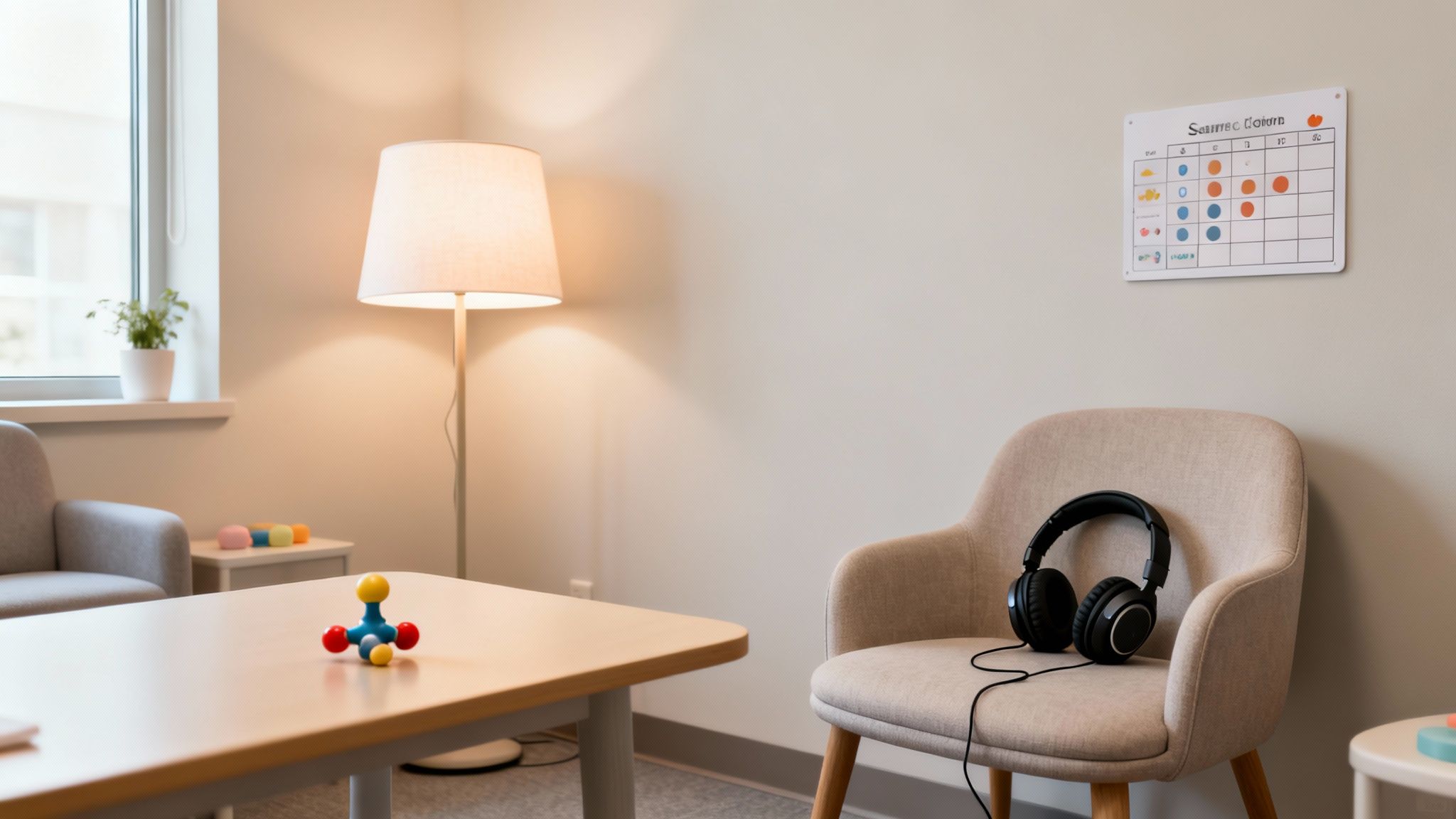
A truly effective therapeutic relationship is never a one-size-fits-all model. It has to be inclusive, flexible, and honour your unique way of experiencing the world. This is especially true for neurodiverse clients—including those with autism, ADHD, or other variations in how they process things. For them, this adaptability isn’t just helpful; it’s essential.
Building this connection means the therapist has to be willing to adjust their approach, meeting you exactly where you are. It’s a shift away from rigid methods towards a more collaborative and responsive way of working together. Genuine acceptance is what builds that foundation of trust.
Creating a Supportive Environment
One of the most important adaptations is creating a session structure that feels predictable and secure. This might mean starting each session with a clear agenda or agreeing on a consistent format. The goal is simple: reduce uncertainty to create a calm, focused space.
Flexibility also has to extend to the physical and sensory environment. For example:
Respecting sensory needs: Understanding that direct eye contact can feel intense or that certain lighting is uncomfortable is crucial. Simple adjustments can make a world of difference.
Offering alternatives: Modalities like 'walk and talk' therapy can be a fantastic option, as the gentle movement and side-by-side conversation often feel less pressured.
Using clear language: Direct, unambiguous communication helps to avoid misunderstandings and makes sure you feel completely clear on what’s being discussed.
This tailored approach is vital for building a strong therapeutic bond. For a deeper look, you might be interested in our dedicated article on neurodiverse counselling support for autistic and neurodivergent minds.
Combatting Isolation with Connection
Neurodiversity can sometimes feel isolating, and a strong therapeutic relationship works directly against this. Recent figures show that loneliness affects a staggering 54% of UK adults, a figure that skyrockets to 72% in young people. The therapy room can become a sanctuary where you can be yourself without stigma. You can read the full research about these findings from the BACP.
Ultimately, adapting the therapeutic alliance for neurodiverse clients is about demonstrating authentic acceptance. It’s about honouring your experience and co-creating a relationship where you feel safe, understood, and valued for who you are.
This partnership becomes a space not just for tackling challenges, but for celebrating strengths and building confidence. It’s a powerful reminder that good therapy doesn't try to change who you are; it supports you in becoming the most authentic version of yourself.
Your Guide to Finding the Right Therapeutic Match
Knowing what makes a great therapeutic relationship is one thing, but how do you actually go about finding one? It’s a step that can feel pretty daunting, so here’s some practical advice to help you find a therapist who feels like the right fit for you.
This isn’t just about a quick Google search. It’s more about learning to read between the lines on a therapist’s profile to get a real sense of their personality and how they work. Trust your gut here – often, the language and tone they use can give you a big clue as to whether you’re likely to click.
Making an Informed Choice
One of the most valuable things you can do is book an initial consultation call. Most counsellors will offer a free, brief chat, which is a brilliant, no-strings-attached way to see how you feel talking to them. It’s your opportunity to ask a few questions and just gauge your comfort level.
It's completely okay—in fact, I’d actively encourage it—to speak with a few different therapists before you decide. Finding the right person is genuinely the most important part of this whole process. For a deeper dive, you can check out our complete guide on how to choose a therapist who is right for you.
Think of it like trying on a few pairs of shoes before a long walk. You want to find the one that feels supportive, comfortable, and right for the path ahead. There’s no single ‘best’ therapist—only the best therapist for you.
Green Flags to Look For
As you begin your search, keep an eye out for these positive signs, or 'green flags', that suggest a strong therapeutic match could be on the cards:
You feel heard: Even in a short call, do they listen more than they talk? A good therapist makes you feel properly listened to and understood, right from the very beginning.
They are clear about their process: They should be able to explain how they work, including the practical bits like confidentiality and fees, in a way that’s easy to understand.
You feel a sense of ease: You don’t need to feel an instant, life-changing connection, but a general feeling of comfort and non-judgement is a fantastic start.
Trusting your gut feeling during this process is key. This initial step is an investment in your future wellbeing, and taking the time to find the right therapeutic relationship will make all the difference in the world.
Frequently Asked Questions
Even with a clearer picture of the therapeutic relationship, you might still have a few lingering questions about how it all works in practice. Let's tackle some of the most common ones.
What if I Don’t Feel a Connection with My Therapist?
This is a perfectly reasonable concern, and it happens. It's completely okay if you don't feel an immediate click. Like any relationship, it can sometimes take a few sessions to build that sense of rapport and trust.
However, if you’re three or four sessions in and still feel it’s not the right fit, it’s really important to bring this up. A good counsellor will be completely open to discussing it. They won't take it personally – their priority is your comfort and progress, and they may even be able to help you find someone better suited.
How Is a Therapeutic Relationship Different from a Friendship?
While a great therapeutic relationship feels warm, supportive, and safe, much like a good friendship, it’s fundamentally different. This is a professional relationship with one singular focus: your wellbeing and growth.
It’s built on clear boundaries and is confidential by law. Your therapist brings specialised training to the table to help you navigate your challenges and reach your goals. Crucially, it isn't a two-way street like a friendship; you are never expected to support your therapist in return. The space is entirely yours.
Can This Relationship Help with My Other Relationships?
Yes, absolutely. In fact, this is one of the most powerful aspects of therapy. For many people, the relationship with their therapist is their first experience of a consistently healthy, trusting, and boundaried connection.
By experiencing what it feels like to be truly seen and accepted in a safe space, you can start to heal old wounds from past relationship difficulties. This process doesn't just stay in the therapy room; it gives you a new template for how to relate to others, helping you build healthier, more fulfilling connections in every area of your life.
If you're ready to see how a supportive therapeutic relationship could make a difference for you, I invite you to get in touch. At Therapy with Ben, we can explore what approach feels right, whether that’s in person, online, or with walk and talk therapy here in Cheltenham.
You can find out more and book a free initial consultation on my website.


Comments